Punk. Τhe subculture that became mainstream culture.

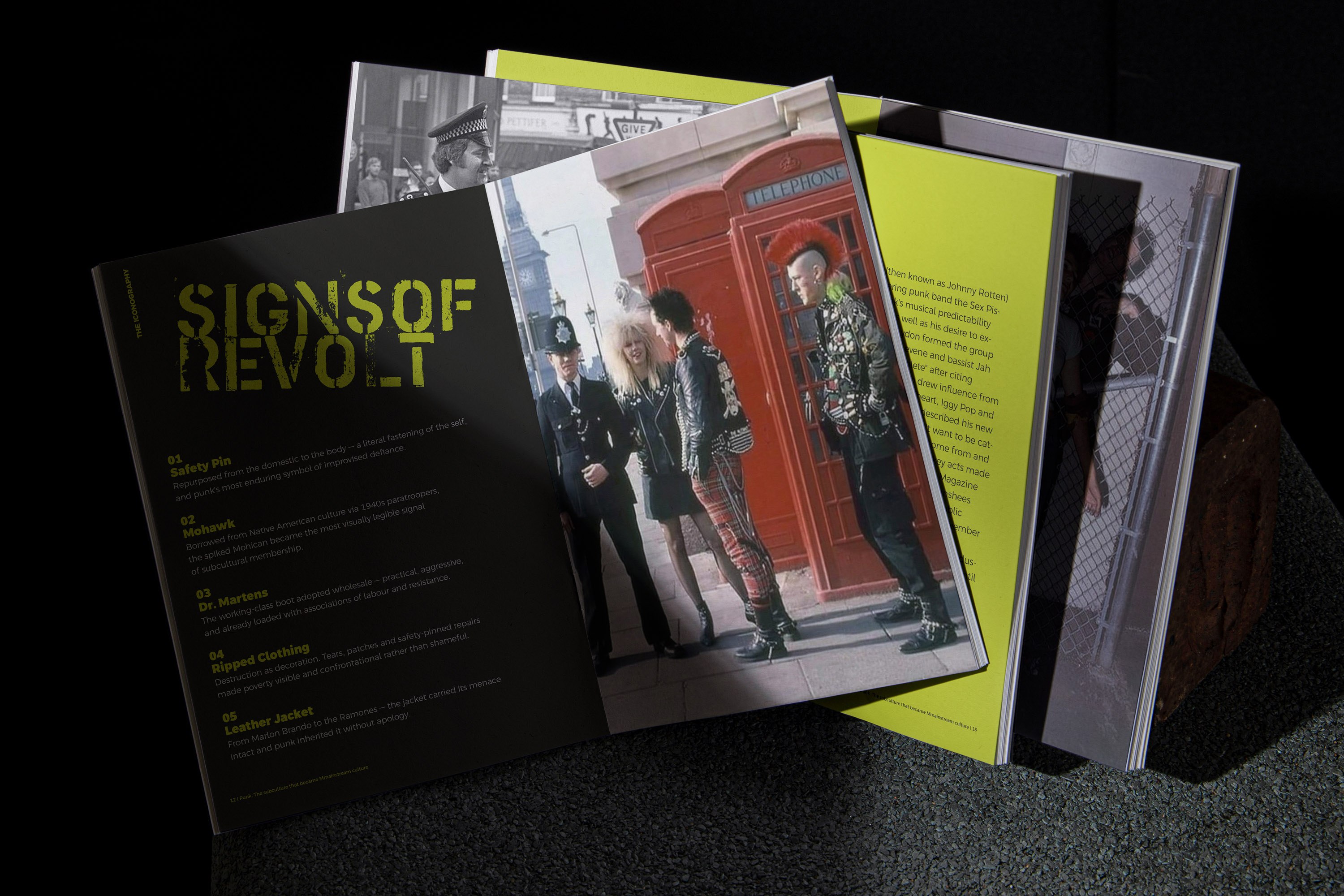
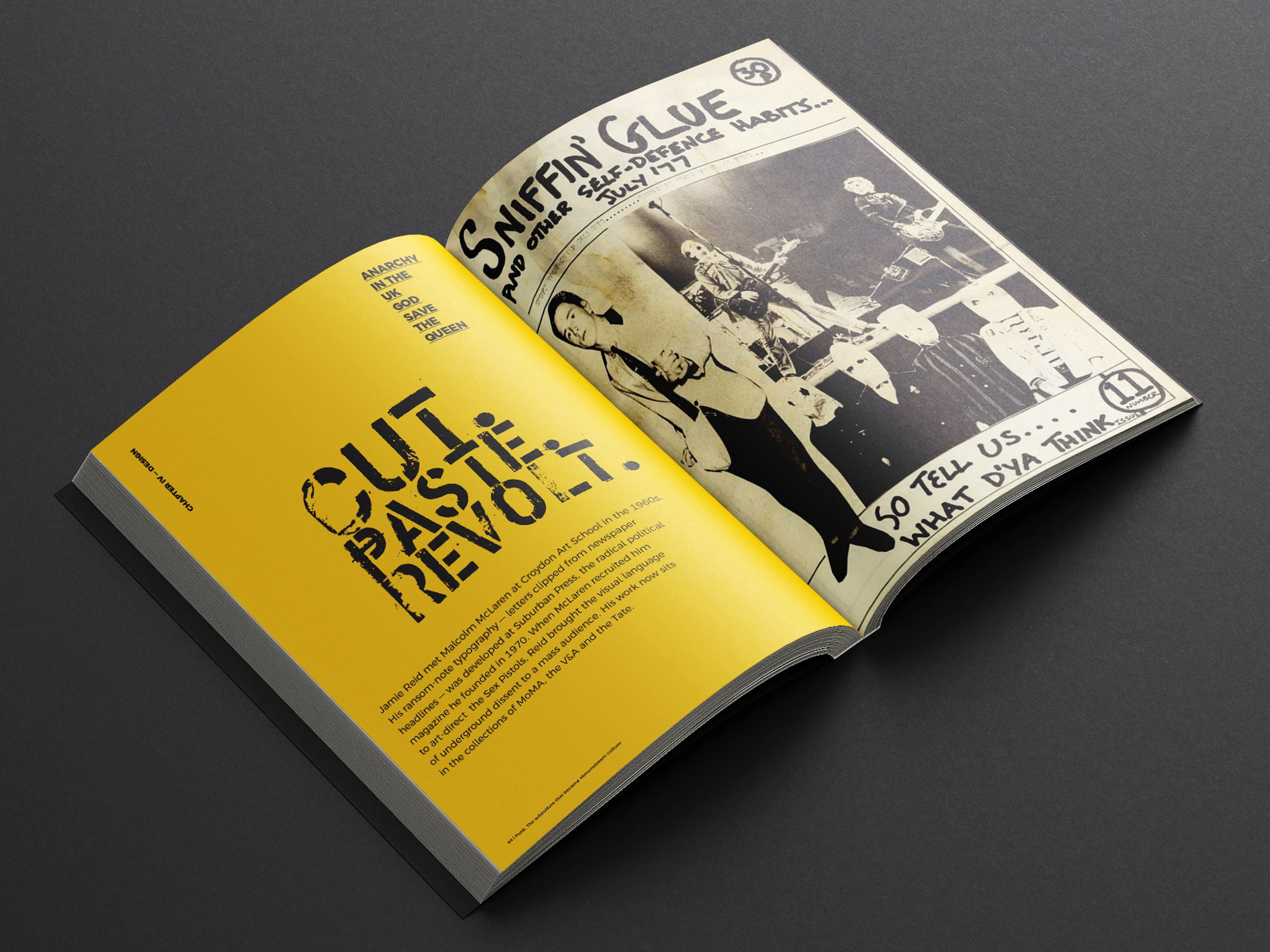
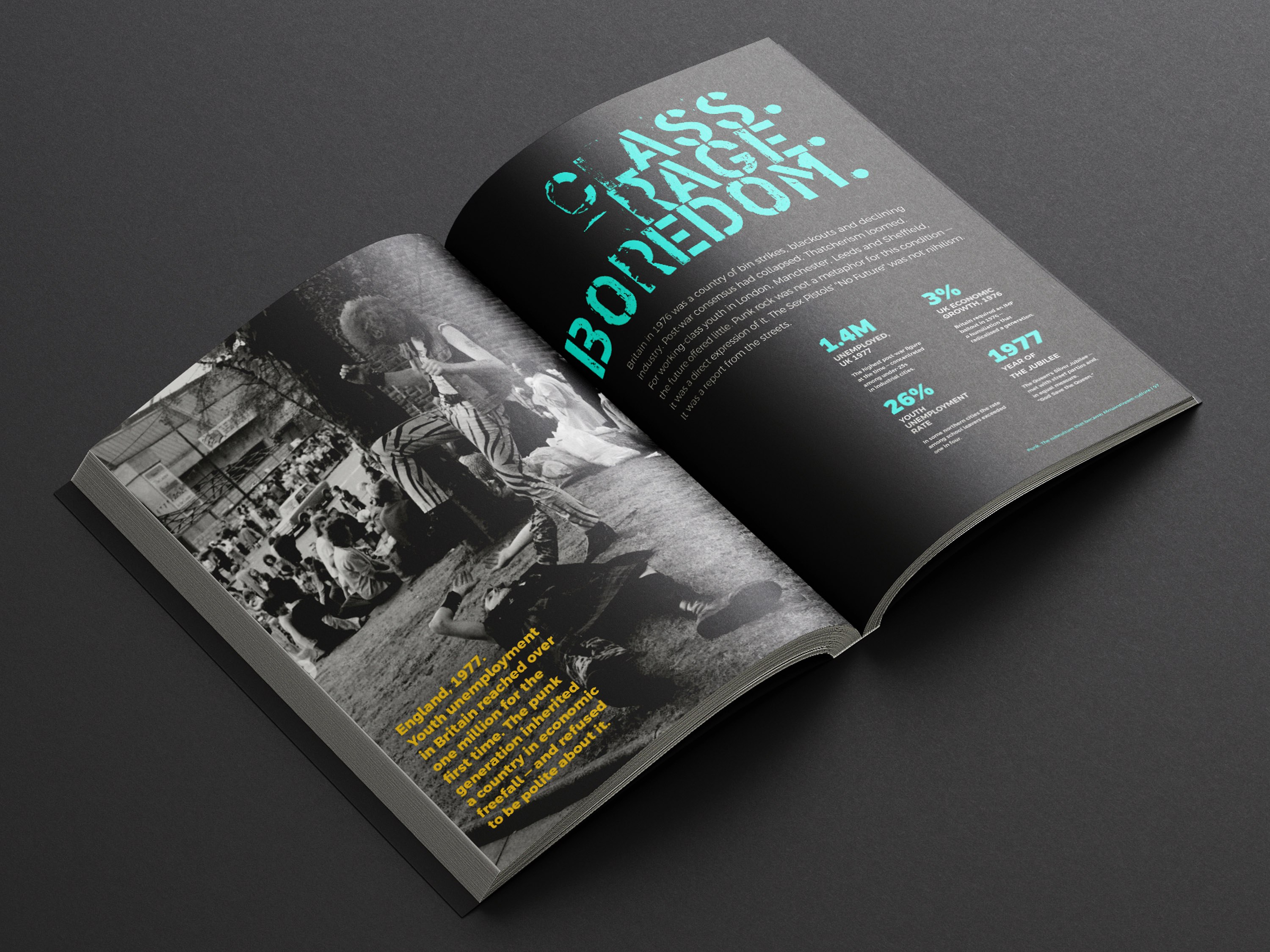
Punk was not a style. It was a rupture. When the brief arrived to design a photo book documenting the British punk movement — its origins, its fashions, its music, its graphic language and its lasting cultural reverberations — the challenge was clear: how do you design a book about disorder without creating disorder? And conversely, how do you impose structure on a subject that rejected structure as a matter of principle? The answer lay in productive tension. The design team developed a visual language that holds two opposing forces in deliberate balance — the raw, confrontational energy of the subject and the cool, considered restraint of contemporary editorial design. The result is a book titled “Punk. The subculture that became mainstream culture”, that feels rigorous where punk was instinctive, and generous where punk was aggressive, while never betraying the spirit of either.

What holds the book together across its four chapters — Origins, Aesthetics, Sound and Legacy — is the consistency of its editorial voice and the discipline of its spacing system. Margins, gutters and leading are fixed throughout. The typographic scale is predetermined and never broken. Within that rigour, each spread is allowed its own compositional logic. The system is visible. The spontaneity feels earned.

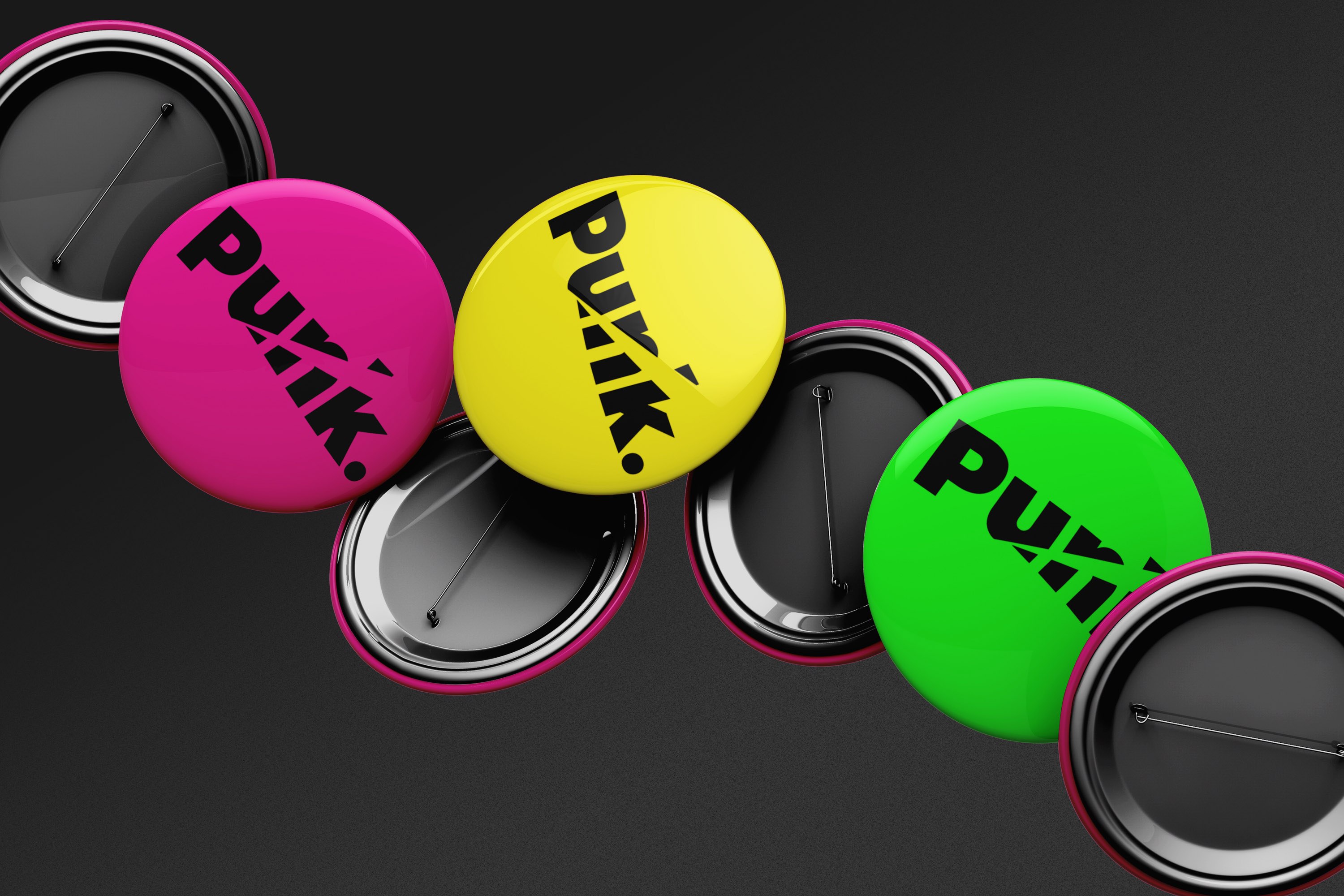
Punk: The Subculture That Became Mainstream Culture is a book that understands its subject well enough not to imitate it. Punk’s radicalism was always most powerful when it was most precise. The Sex Pistols’ two-minute songs, Jamie Reid’s exactingly composed ransom sleeves and Vivienne Westwood’s meticulously constructed anti-garments exemplify this principle. This book applies the same principle. The design does not celebrate anarchy but creates the conditions in which the photographs and the argument they convey can. As part of the promotional activities, the book is accompanied by accessories including badges a poster featuring the cover and a vintage handmade t-shirt. It was released in limited copies by the Funzine Greece association and the independent voice SiS.